
About rural Isle of Wight
The Isle of Wight, sitting just off England’s south coast, is famed for its beaches and Victorian holiday resorts — but behind the coastal charm lies a deeply rural and agricultural interior that has long defined the island’s identity.
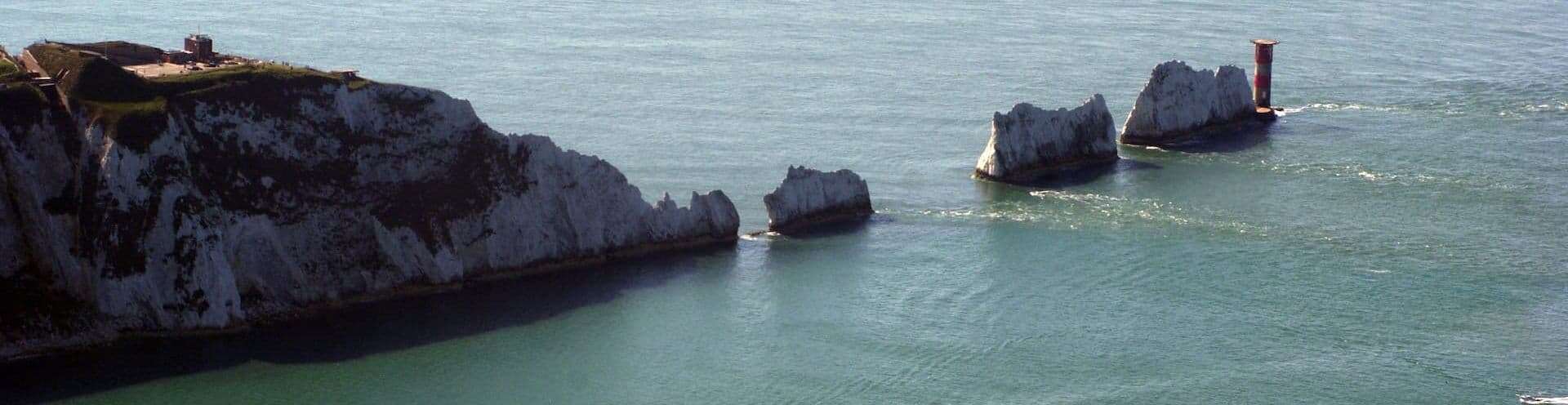
Over half of the Isle of Wight is designated as an Area of Outstanding Natural Beauty, and its patchwork of rolling hills, downland, and small valleys is intensely farmed. Arable fields, dairy herds, and rare-breed livestock shape the landscape, with much of the local produce — from garlic to tomatoes and cider apples — championed in local markets and festivals.
Villages such as Brighstone, Calbourne, and Newchurch reflect a slower pace of life, where thatched cottages and medieval churches stand among farmsteads and orchards. The island’s compact size means rural life is never far from the coast, and many residents work both the land and the tourist trade.
Rural crafts, conservation, and equestrianism also flourish, while the island’s geography supports solar and wind energy schemes on former farmland. Rural schools, agricultural shows, and a strong local food scene tie these communities together.
Though popular with visitors, the Isle of Wight remains at its core a working rural landscape — shaped not just by its coastline, but by centuries of quiet cultivation and strong local ties.
The flag or crest

Region
Southwest England
Population
142000
County town
Newport
Other notable towns / cities
Ryde, Cowes
Known for
Music festival
What people say…
The Isle of Wight is a beautiful place in which to live and work… more than 50% is AONB.