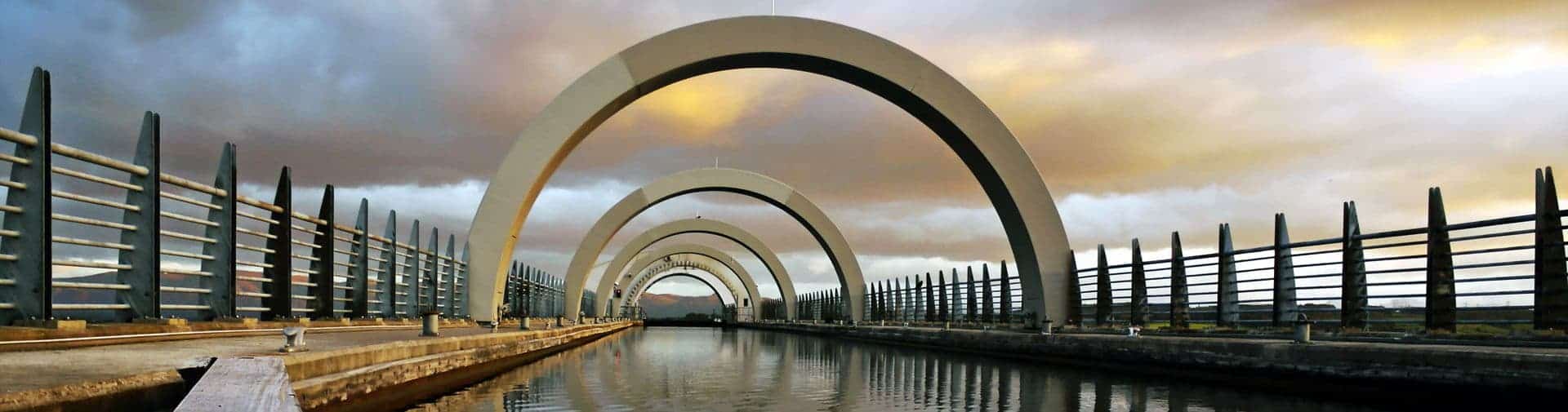

About rural Falkirk
Falkirk, situated between Edinburgh and Glasgow, may be best known for its industrial past and iconic engineering landmarks, but it also encompasses a rich and varied rural landscape that remains central to its character. Stretching beyond the town centres and suburban sprawl are swathes of farmland, river valleys, and quiet villages that speak to the area’s agricultural roots and continuing rural vitality.
Historically, Falkirk sat at the crossroads of Roman Britain and medieval Scotland. The Antonine Wall — the northernmost Roman frontier — cuts across the region, and much of its remains lie in rolling pastures and open fields, often overlooked by grazing sheep or solitary farmsteads. This agricultural land remains productive today, with mixed farming still common across the area. Dairy cattle, cereals, and root vegetables all form part of a working landscape that stretches from the edges of the River Forth south to the Slamannan Plateau.
Rural villages like Shieldhill, Slamannan, and Limerigg hold tightly knit communities with strong links to both land and heritage. The surrounding moorlands and peat bogs, once sources of fuel and now subjects of restoration, add texture and ecological importance to the rural scene. Wind turbines are becoming a more frequent sight too, pointing to the role of Falkirk’s rural landscape in the country’s energy future.
And yet, the rural and the engineered coexist here in striking ways — nowhere more so than at the Kelpies and the Falkirk Wheel, where man-made wonders rise from the rural plain. Falkirk’s countryside isn’t just a backdrop to industry; it’s a living, evolving space where tradition, resilience, and innovation quietly flourish.
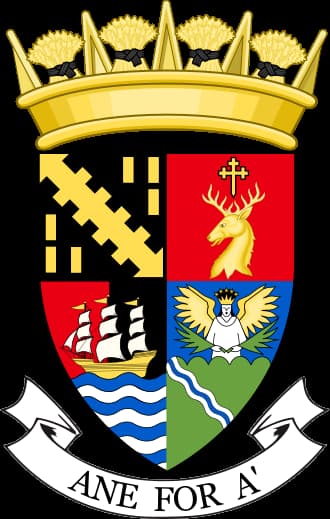
The flag or crest
Region
Central Scotland
Population
161000
County town
Falkirk
Other notable towns / cities
Grangemouth, Bo'ness
Known for
The Kelpies, Falkirk Wheel
What people say…
We do like living here … we have a huge house we couldn't get in Glasgow/Edinburgh for the same money.

