
About rural Clackmannanshire
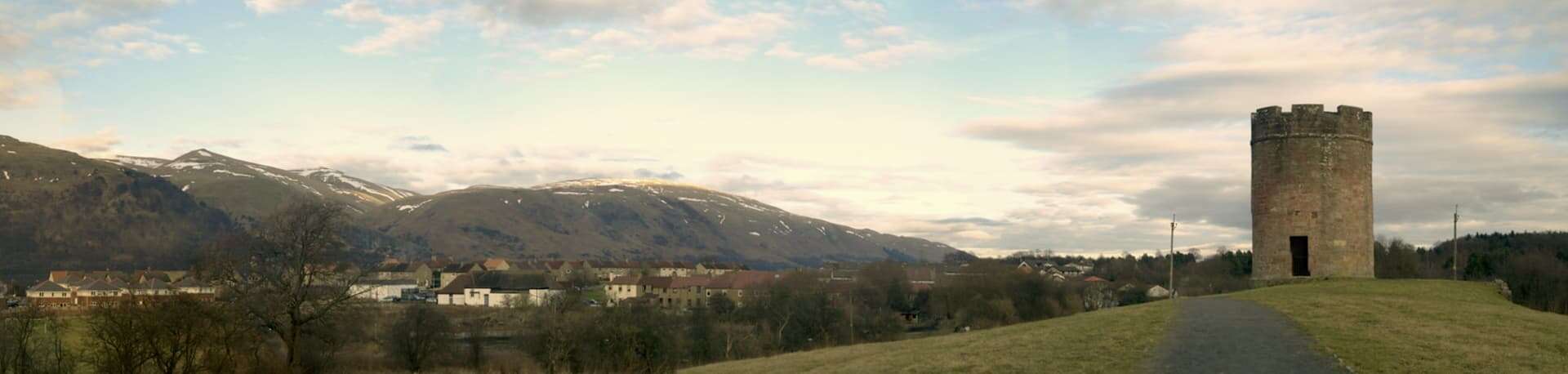
Clackmannanshire, often affectionately referred to as “The Wee County”, is Scotland’s smallest historic shire — but within its compact borders lies a striking diversity of rural character, history, and natural beauty. Nestled between the River Forth and the Ochil Hills, it offers a landscape where green lowland pastures rise quickly into heathered hills, and where old mills, towers, and stone cottages speak of centuries of industry, resilience, and rural life.
The county’s rural identity is steeped in its working past. Once a centre of textile production and brewing, Clackmannanshire’s villages — such as Tillicoultry and Alva — still bear the marks of 18th- and 19th-century prosperity. Today, those same towns are quieter, with a focus on local crafts, family farming, and outdoor pursuits. Sheep and cattle farming remain a core part of the county’s landscape, and smaller agricultural operations support a tight-knit community economy.
Perhaps the most visible symbol of the county’s past is Alloa Tower — one of Scotland’s oldest and best-preserved tower houses — standing as a reminder of the region’s strategic importance in medieval times. Yet beyond history, the Ochil Hills draw walkers and climbers to trails with expansive views over the Forth Valley and beyond. These uplands serve as both a natural playground and a barrier that has historically shaped settlement patterns and agricultural practices in the region.
Despite its size, Clackmannanshire offers a layered, living portrait of rural Scotland — where heritage, landscape, and community coalesce in a place both overlooked and quietly exceptional.
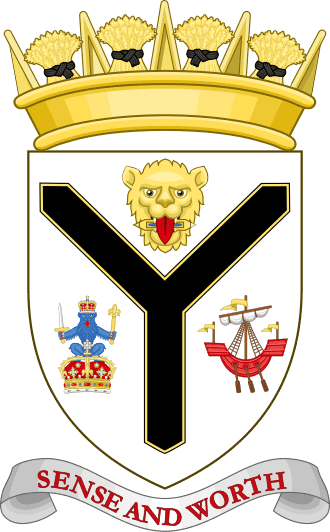
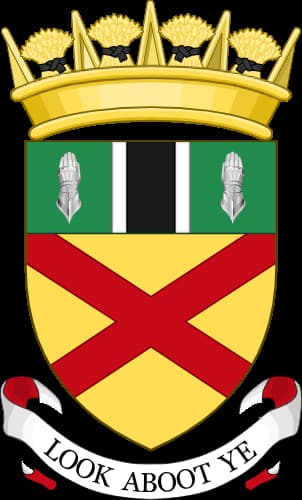
The flag or crest
Region
Central Scotland
Population
51000
County town
Alloa
Other notable towns / cities
Tillicoultry, Alva
Known for
Historic Sites
What people say…
I lived there for about 5 years … some lovely bits … I honestly really loved it … would move back in a heartbeat.