About rural Bridgend
Bridgend, set between Cardiff and Swansea, is often viewed through its coastal and industrial associations — yet inland, the county reveals a deeply rural character shaped by valleys, woodlands, and upland pasture. As the county borough stretches northward, it becomes increasingly agricultural, with a landscape that transitions from coastal plain to forested slopes and sheep-dotted hills.
Rural communities in places like Cefn Cribwr, Llangynwyd, and Ogmore Vale still hold tightly to local traditions. Small farms and livestock holdings remain active in these areas, especially for sheep and cattle, while community halls and country fairs reflect the endurance of rural life. Dry-stone walls and hedgerows mark the patchwork of fields, and bridle paths, footways, and ancient lanes offer links to both natural and industrial heritage.
The River Ogmore and the woodlands of Coity and Merthyr Mawr provide both ecological value and rural recreation. The dunes near Merthyr Mawr are among the highest in Europe, but just beyond them lie working farms and conservation areas that support rare plant species and wildlife.
Bridgend’s countryside may sit in the shadow of its towns and coastal development, but its hills, fields, and quiet lanes offer a living portrait of Welsh rural resilience.
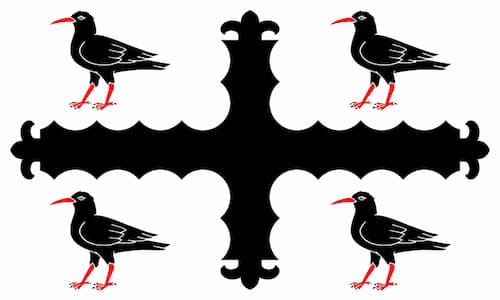
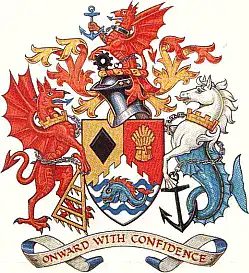
The flag or crest
Region
South Wales
Population
145000
County town
Bridgend
Other notable towns / cities
Maesteg, Porthcawl
Known for
Beaches, Industry
What people say…
It has earned a reputation as one of the most popular places to live in Wales, offering a charming and affordable lifestyle.

