
About rural West Lothian
West Lothian lies between Edinburgh and Glasgow, a county where rapid development has not erased the deep marks of rural tradition. Though its larger towns — Livingston, Bathgate, and Linlithgow — are expanding, the spaces in between remain distinctly agricultural and historical in tone.
The county’s rural lands are well suited for mixed farming, and arable fields dominate the landscape. Crops like barley, wheat, and oilseed rape form bright tapestries across the lowland plains, while cattle graze in the upland edges to the south and west. The area is also known for fruit and vegetable growing, and many farms in the Broxburn and Uphall area continue to supply local markets.
Linlithgow, once a royal residence and now a market town, retains strong rural traditions, including its annual Riding of the Marches. Villages like Torphichen, Ecclesmachan, and Harburn preserve a slower pace of life with community halls, conservation groups, and historic churches.
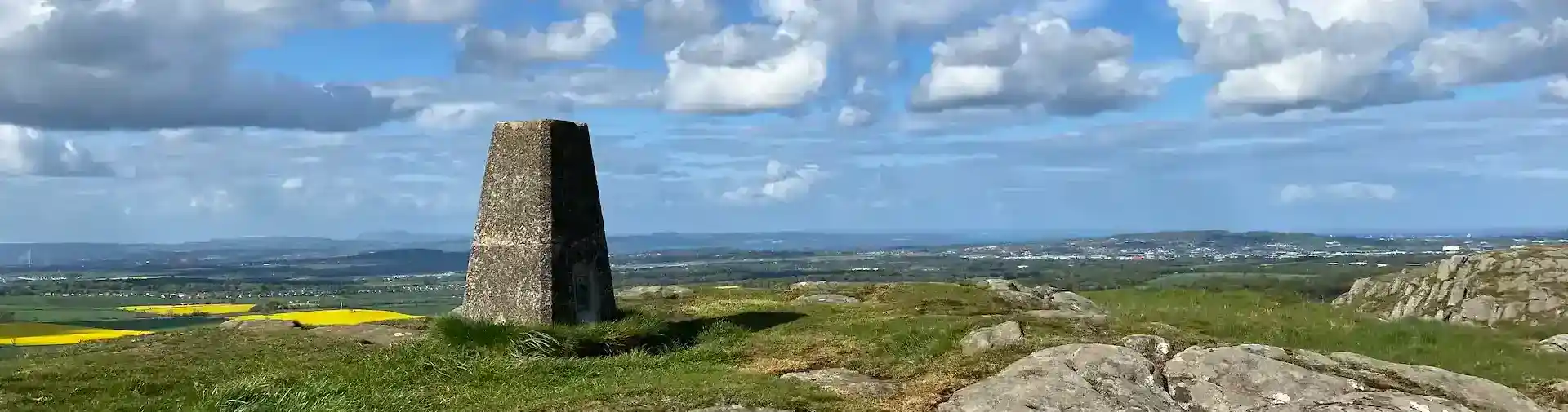
The Bathgate and Pentland Hills form a scenic and ecological backdrop to the county’s southern edge. These hills offer a natural escape, supporting hill farms, peatland restoration, and wildlife such as curlews, hares, and kestrels. West Lothian’s countryside is also dotted with woodlands and lochs, including Beecraigs Country Park — a haven for walking, fishing, and rural education.
Rural life in West Lothian continues to thrive alongside urban growth, showing that heritage, community, and countryside can coexist in a modern landscape
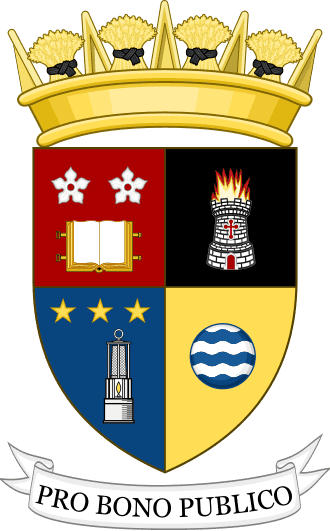
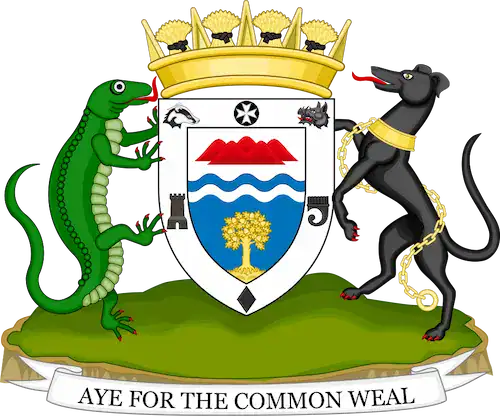
The flag or crest
Region
Central Scotland
Population
183000
County town
Livingston
Other notable towns / cities
Bathgate, Linlithgow
Known for
Industry, History