About rural Suffolk
Suffolk is one of England’s most archetypal rural counties — known for its soft light, open skies, and a landscape defined by arable fields, ancient churches, and weathered farmsteads. From the heathlands of the Sandlings to the rolling clay plateau inland, Suffolk is a place where farming has long been central.
Arable agriculture dominates — wheat, barley, sugar beet, and beans grow across the county’s expansive fields. The landscape is broken by copses, ditches, and a rich network of hedgerows, many of which are centuries old. Suffolk’s farmland is also home to wildlife-rich field margins and conservation strips, which coexist with modern farming.
The Deben and Stour valleys support mixed farming and grazing meadows, while coastal marshes provide salt-tolerant pasture for sheep and cattle. Villages such as Lavenham, Kersey, and Orford retain their medieval structure and continue to be shaped by rural life.
Suffolk is also known for its wool and weaving heritage, reflected in the scale and wealth of its historic churches — many funded by rural prosperity.
Quietly productive and deeply atmospheric, Suffolk’s countryside is as much a cultural landscape as a working one.
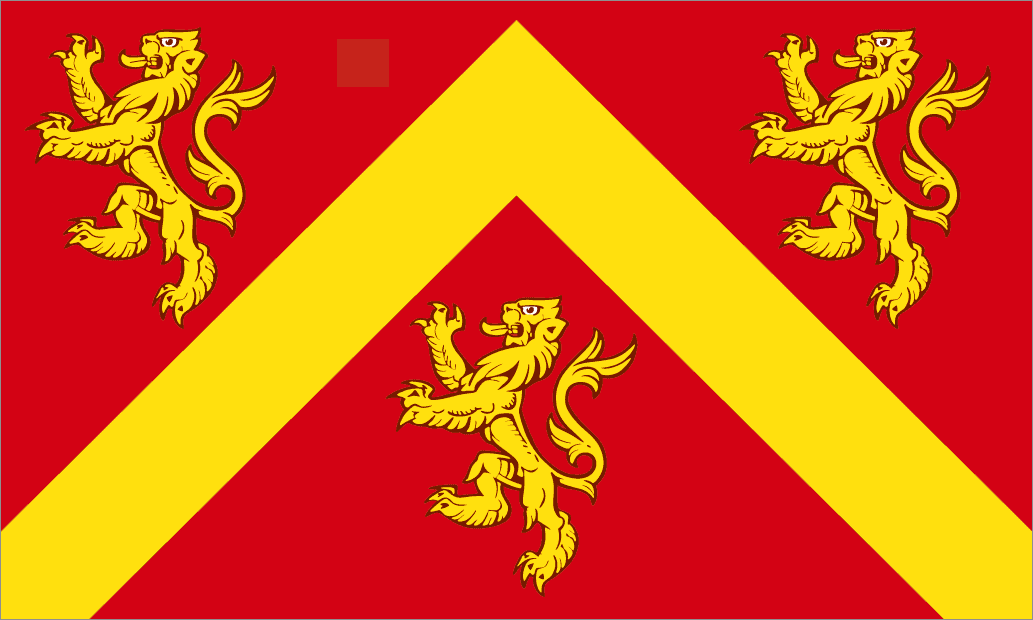
The flag or crest

Region
East of England
Population
761000
County town
Ipswich
Other notable towns / cities
Bury St Edmunds, Lowestoft
Known for
Constable Country
What people say…
I love living in Suffolk. Wouldn't want to leave it.