About rural Rutland
Rutland may be England’s smallest historic county, but its rural identity is both unmistakable and deeply cherished. Tucked between Leicestershire, Lincolnshire, and Northamptonshire, this compact landscape is defined by undulating farmland, traditional stone villages, and a timeless pace of life. There are no cities here — just quiet market towns, winding country lanes, and views that stretch across barley fields and patchwork meadows.
The heart of Rutland lies in its villages and agricultural heritage. Oakham, the county town, and Uppingham, known for its prestigious school, both feature lively weekly markets and elegant Georgian buildings. But venture beyond and you’ll find that Rutland is a county shaped more by plough and hedge than by brick and tarmac. Local farms produce cereals, livestock, and dairy, with an increasing presence of smallholders and artisan producers bolstering the local food economy.
The jewel of the county is Rutland Water, a vast man-made reservoir created in the 1970s that has since become a sanctuary for wildlife and recreation. Its shoreline brims with birdlife — ospreys, grebes, and terns among them — and offers one of England’s best cycling circuits. Tiny Normanton Church, preserved on a peninsula in the lake, is among the county’s most iconic sights.
Although modest in scale, Rutland has an outsized charm. Its motto — “Multum in Parvo (Much in Little) — feels entirely appropriate. This is rural Britain in distilled form: a place where tradition holds firm, where community thrives, and where the pleasures of countryside living are on full and undistracted display.
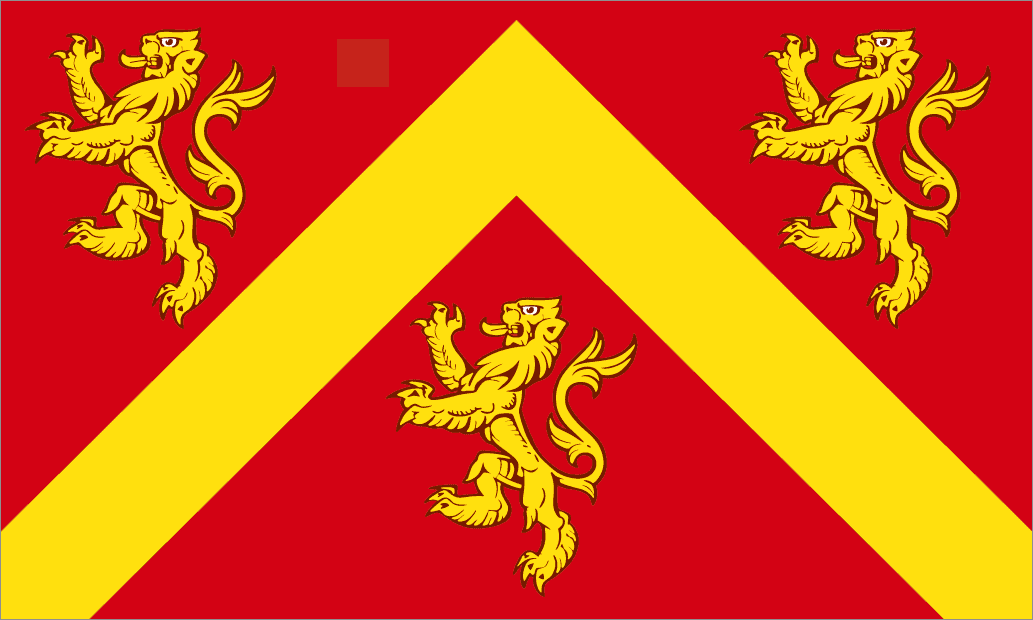
The flag or crest

Region
East Midlands
Population
40000
County town
Oakham
Other notable towns / cities
Uppingham
Known for
Smallest county in England