About rural Orkney
Orkney, an archipelago of around 70 islands lying off Scotland’s northern coast, is a landscape steeped in agriculture, ancient history, and seafaring tradition. Though the islands are windswept and often remote, they support some of the most productive farmland in the country, and life here is deeply rural — shaped by tides, weather, and community interdependence.
The Mainland, Orkney’s largest island, is home to the bulk of the population, but even here, the rural feel dominates. Gently undulating fields stretch toward the sea, divided by dry-stone dykes and dotted with herds of cattle and flocks of sheep. The islands’ fertile soils, enhanced by centuries of careful stewardship, make Orkney a powerhouse for beef and dairy farming, with livestock shows and local butchers maintaining strong agricultural traditions.
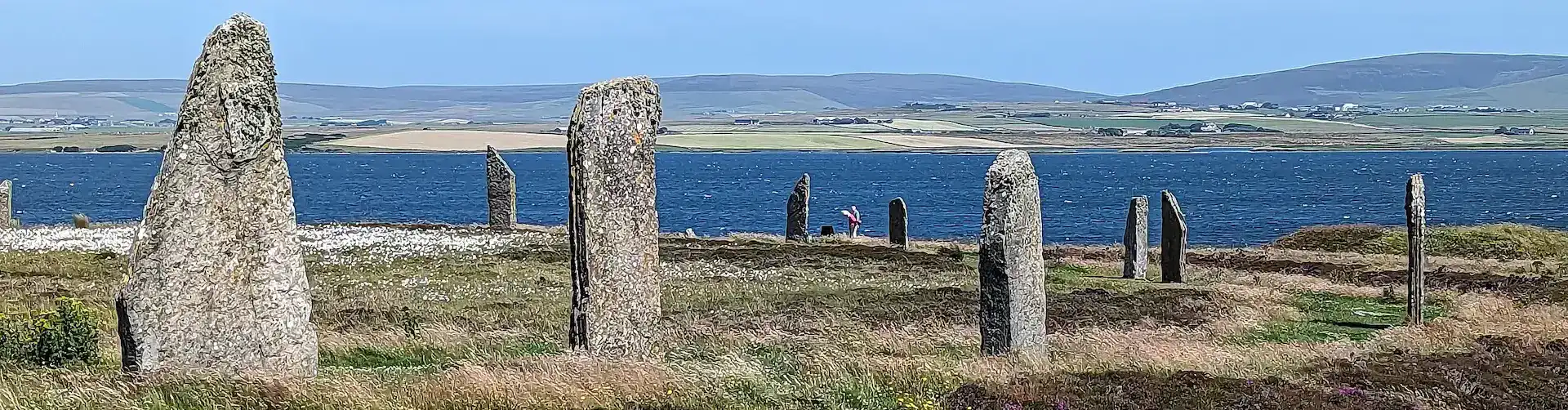
Orkney is also famed for its ancient sites — many located in remote, windswept settings that reinforce the region’s deep rural atmosphere. The Heart of Neolithic Orkney, a UNESCO World Heritage Site, includes the Ring of Brodgar, Skara Brae, and Maeshowe — prehistoric monuments that sit amid grazing land, often within view of working farms and distant sea cliffs.
The outer isles, including Rousay, Sanday, and Westray, are quieter still, where life moves to the rhythm of ferry schedules, calving seasons, and weather fronts. Fishing, craftwork, renewable energy, and community-led initiatives now complement farming as key sources of livelihood. Islanders tend to know their neighbours well, and traditions like agricultural shows, ploughing competitions, and local fairs help sustain a deep-rooted sense of identity.
In Orkney, rural life isn’t a lifestyle choice — it’s a way of being. It’s embedded in the land, the sea, and the sense of belonging that ties islanders to their windswept but richly rewarding home.
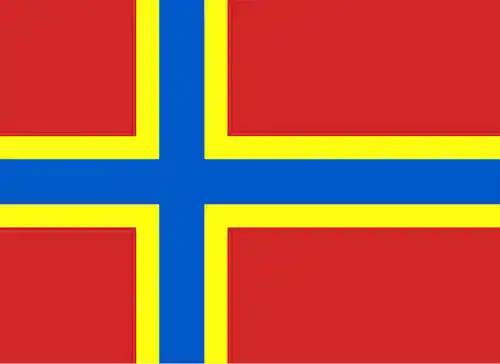
The flag or crest
Region
Northern Scotland
Population
22000
County town
Kirkwall
Other notable towns / cities
Stromness
Known for
Islands, Archaeology