About rural Greater London
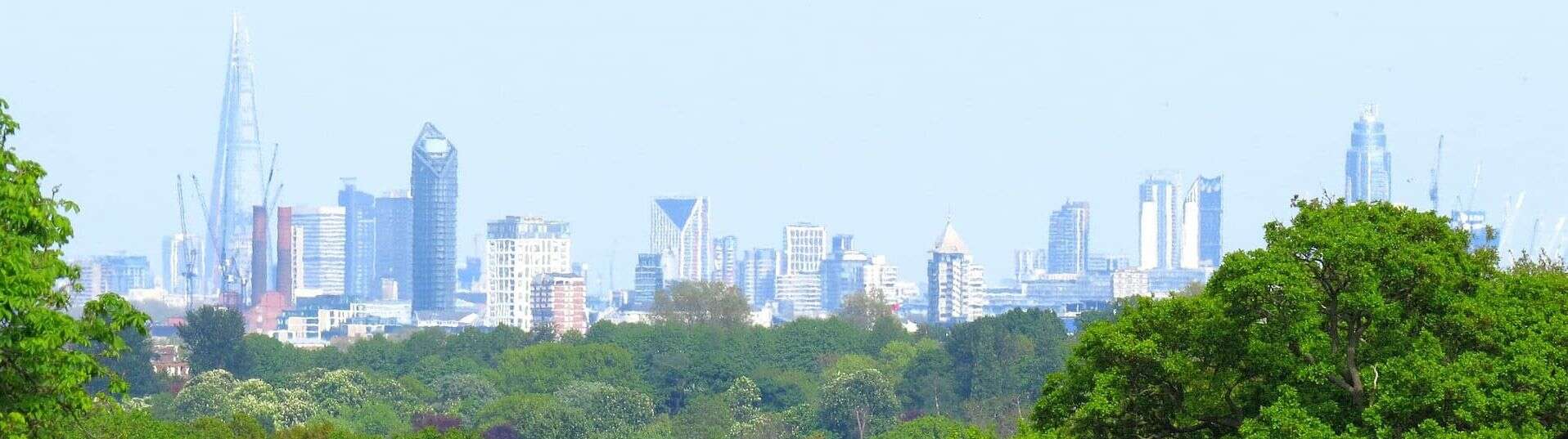
Greater London is widely known as the most urbanised region in Britain — yet it contains a surprising amount of rural space. From ancient woodlands and commons to market gardens and working farms, pockets of the capital’s countryside persist on its outer edges, offering both green breathing space and living reminders of London’s agricultural past.
The boroughs of Havering, Bromley, and Enfield all retain working farms — some as part of estate holdings, others run by councils or community groups. In places like Forty Hall Farm, Deen City Farm, and Woodlands Farm Trust, livestock are still raised, crops grown, and local schoolchildren introduced to rural skills.
To the south, the North Downs sweep through the borough of Croydon, where open chalk grasslands and bridleways feel far removed from the city centre. Richmond Park and Bushy Park, while royal in origin, remain semi-rural landscapes grazed by deer and managed for biodiversity.
Allotments, community orchards, and peri-urban agriculture projects continue to thrive in boroughs like Lewisham, Hounslow, and Barnet, supported by local authorities and conservation charities.
Though overwhelmingly metropolitan, Greater London retains rural fragments that are both functional and symbolic — green spaces that still support livestock, heritage, and a sense of the land within the modern sprawl.
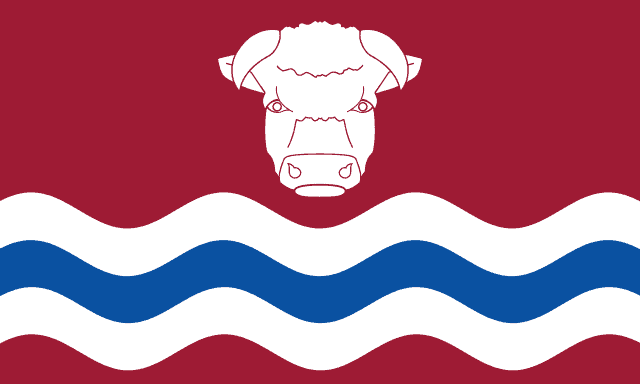
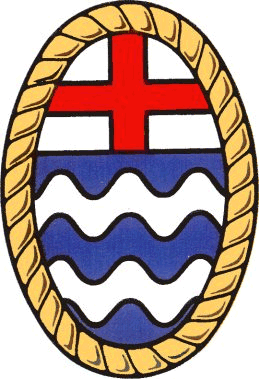
The flag or crest
Region
Southeast England
Population
9002000
County town
London
Other notable towns / cities
Known for
Capital of the UK
What people say…
The vegetable patches of east London… are the hopes of a new generation.
City farms in London… vibrant hubs of sustainable urban agriculture and education.

