About rural East Ayrshire
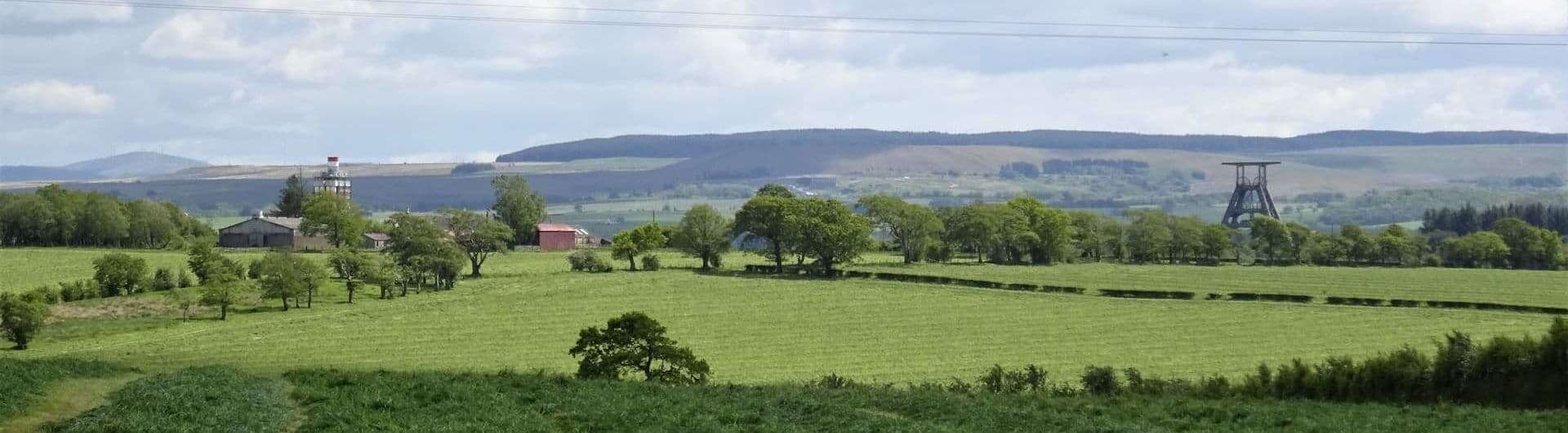
East Ayrshire, part of Scotland’s historic southwest, blends rolling farmland, mining heritage, and cultural pride in a landscape that’s more rural than urban, more village than city. While Kilmarnock — the largest town — serves as the county’s industrial and administrative centre, the majority of East Ayrshire is defined by its agricultural hinterland, wooded glens, and moorland stretches.
The rural economy here continues to lean heavily on livestock farming, particularly cattle and sheep, with large swathes of the county devoted to pasture. Smallholdings and family farms remain central to the local identity, and the rhythms of rural life are evident in regular livestock markets and seasonal agricultural shows. Yet this same landscape has also borne the scars and legacy of coal mining, especially in the Doon and Lugar valleys, where former pits have given way to regeneration and rewilding projects.
East Ayrshire has a strong cultural thread running through it. The village of Mauchline is closely associated with Robert Burns, who lived there for a time and drew inspiration from the surrounding countryside. Burns’s connection to East Ayrshire endures in local festivals, museums, and poetry trails that trace his steps through the region.
Natural attractions abound, from the scenic walks around Loch Doon and the Galloway Forest fringes to the open moors near Dalmellington. The county is also investing in conservation, with peatland restoration and biodiversity projects aimed at restoring damaged habitats.
East Ayrshire’s story is one of transition — from extraction to renewal, from history to heritage — and at its heart remains a rural population deeply connected to the land, its legacy, and its future.
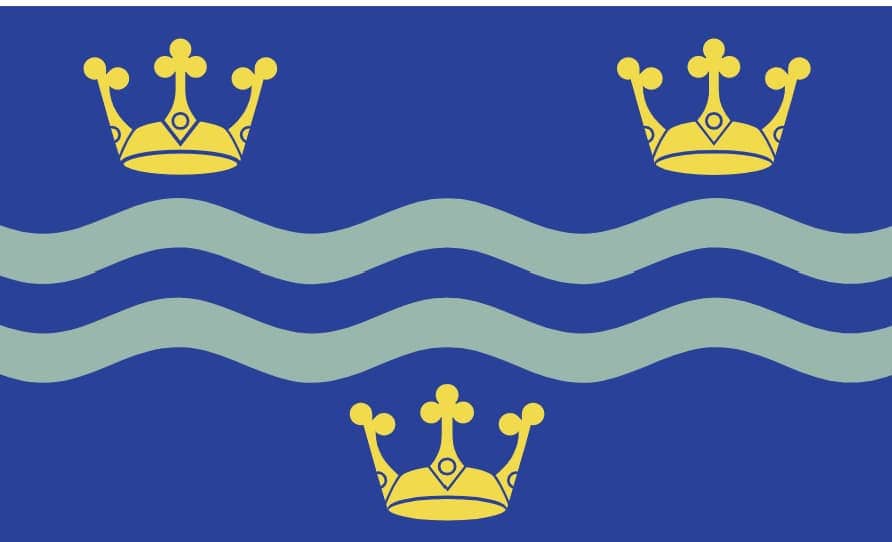
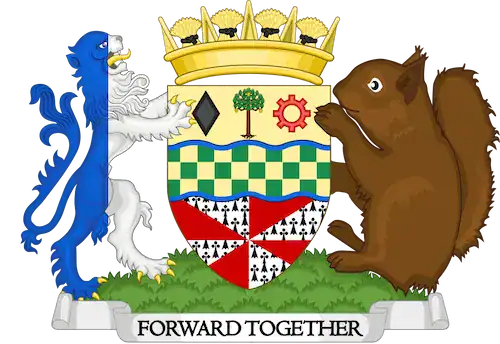
The flag or crest
Region
Southwest Scotland
Population
122000
County town
Kilmarnock
Other notable towns / cities
Cumnock, Stewarton
Known for
Whisky, Burns Country

