About rural Conwy
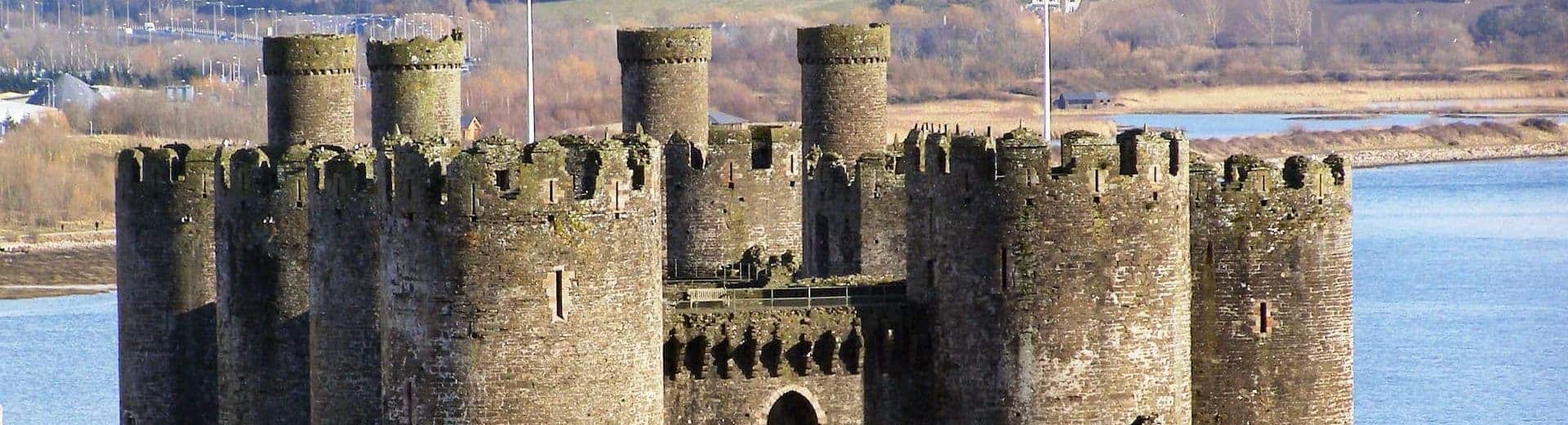
Conwy, in north Wales, is a county of contrasting rural landscapes — from the mountainous interior of Snowdonia to the sheltered valleys and fertile lowlands of the Conwy and Elwy rivers. Though best known for its medieval walled town and castle, much of Conwy’s identity lies in its working countryside.
The Carneddau mountains rise in the west, their heather-covered slopes and high pastures grazed by hardy sheep. Hill farms are often remote, accessed by winding tracks and sustained by families who have worked the same land for generations. The uplands also play a key role in conservation, with initiatives focused on peatland restoration, native woodland planting, and biodiversity protection.
Further east, the land softens into valleys and mixed farmland. Dairy and arable operations are common in areas like Llanrwst and Abergele, while smallholdings, market gardens, and local food producers support rural enterprise. The River Conwy itself has long been important to farming and fishing, and remains a key feature in the landscape’s productivity and beauty.
Conwy’s rural communities — from Betws-y-Coed to Eglwysbach — are rooted in tradition, but increasingly adapt to new roles in eco-tourism, artisan production, and heritage conservation.
Rural Conwy is a place where wild uplands meet green valleys, and where farming and natural stewardship continue side by side.
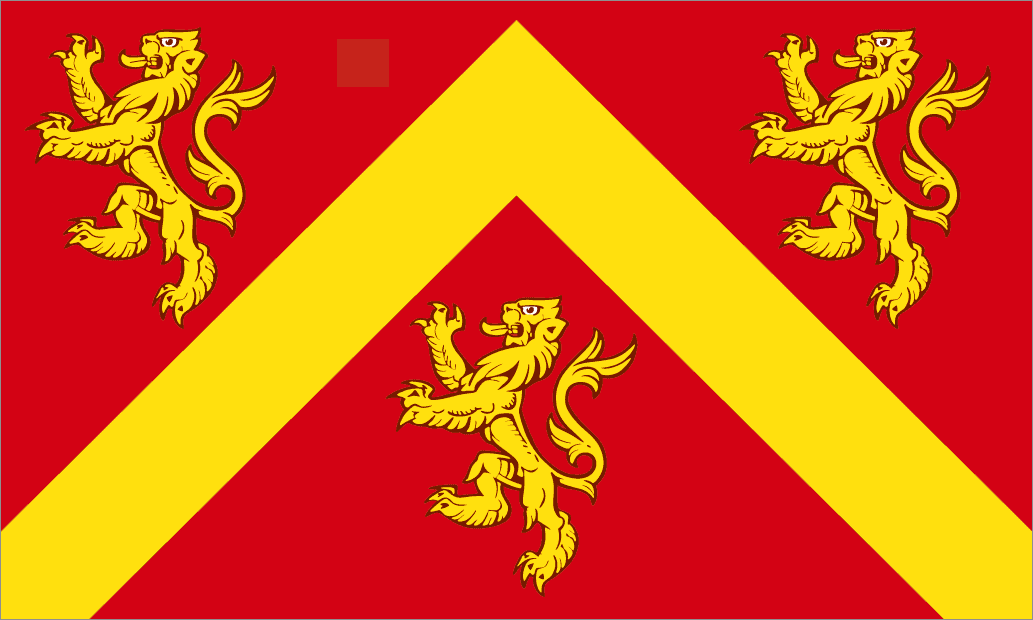
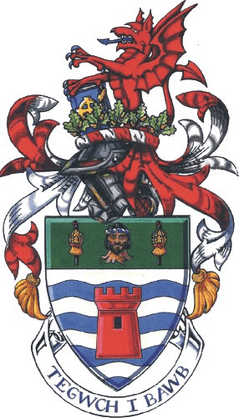
The flag or crest
Region
North Wales
Population
118000
County town
Conwy
Other notable towns / cities
Llandudno, Colwyn Bay
Known for
Castle, Coastline